
Everyday emergencies can happen anywhere—at home, at work, on the road, or during a simple outing. Knowing basic first aid helps you stay calm, protect the injured person, and take the right steps until professional help arrives. While first aid does not replace medical care, it can prevent a situation from getting worse and sometimes save a life.
First Steps to Take in Any Everyday Emergency
The first thing to do in any emergency is pause, breathe, and check that the scene is safe for you and others. Do not rush into danger from fire, traffic, electricity, chemicals, or violence. Once it is safe, check the person’s responsiveness by speaking to them and gently tapping their shoulder. If they are seriously injured, unconscious, having trouble breathing, or in severe pain, call emergency services right away. If possible, ask someone nearby to help, bring a first aid kit, or guide responders to your location.
How to Check Breathing, Bleeding, and Shock
Quickly look for the most serious problems: breathing, heavy bleeding, and signs of shock. If the person is not breathing normally, call emergency services immediately and begin CPR if you are trained. For bleeding, apply firm, steady pressure with a clean cloth or bandage and keep pressure on the wound until help arrives. Signs of shock can include pale or clammy skin, weakness, confusion, rapid breathing, dizziness, or fainting. Keep the person lying down, warm, and still, and avoid giving food or drink if a serious injury is suspected.
Treating Small Cuts, Scrapes, and Punctures
For small cuts and scrapes, wash your hands first, then rinse the wound gently with clean running water to remove dirt. Apply mild soap around the area, but avoid harsh scrubbing inside the wound. Stop minor bleeding with gentle pressure, then apply an antibiotic ointment if available and cover it with a clean bandage. Change the dressing daily or whenever it becomes wet or dirty. For puncture wounds, deep cuts, animal bites, rusty-object injuries, or wounds that show redness, swelling, warmth, pus, or worsening pain, seek medical advice and check whether a tetanus shot is needed.
Stopping Nosebleeds Without Making Them Worse
To stop a nosebleed, have the person sit upright and lean slightly forward so blood does not run down the throat. Pinch the soft part of the nose just below the bridge and hold steady pressure for 10 to 15 minutes without checking too often. Do not tilt the head back, pack the nose deeply, or have the person lie flat, as this can make blood drain into the throat and cause nausea or choking. After the bleeding stops, avoid blowing or picking the nose for several hours. Get medical help if the bleeding lasts more than 20 minutes, follows a head injury, or is very heavy.
Caring for Burns from Heat, Steam, or Sun
For minor burns from heat, steam, or sun, cool the area under clean, cool running water for about 20 minutes as soon as possible. Remove tight jewelry or clothing near the burn unless it is stuck to the skin. Do not use ice, butter, toothpaste, or greasy ointments, as these can worsen tissue damage. Cover the burn loosely with a sterile, non-stick dressing or clean cloth. Seek medical care for burns that are large, deep, blistering severely, on the face, hands, feet, genitals, or major joints, or caused by chemicals, electricity, or inhaled smoke.
Handling Sprains, Strains, and Minor Falls
For sprains, strains, and minor falls, help the person rest and avoid putting weight on the injured area. Use the RICE method: rest, ice wrapped in a cloth for 15 to 20 minutes at a time, compression with an elastic bandage, and elevation above heart level when possible. Watch for swelling, bruising, deformity, numbness, or inability to move or bear weight, which may mean a fracture or more serious injury. Do not force a joint back into place or massage a painful injury. If symptoms are severe or do not improve, seek medical attention.
Responding to Choking in Adults and Children
If someone is choking but can cough, speak, or breathe, encourage them to keep coughing. If they cannot breathe, speak, or cough effectively, call emergency services and begin choking first aid. For adults and children over one year old, give abdominal thrusts if you are trained, standing behind the person and pressing inward and upward just above the navel. For infants under one year, use back blows and chest thrusts instead, never abdominal thrusts. If the person becomes unconscious, begin CPR and follow emergency dispatcher instructions until help arrives.
What to Do During Fainting or Dizzy Spells
If someone feels faint or dizzy, help them sit or lie down before they fall. If they faint, place them on their back and raise their legs slightly if there is no injury. Loosen tight clothing, keep the area well ventilated, and let them rest until they feel better. Do not give food or drink until they are fully awake and alert. Call emergency services if fainting happens during exercise, follows chest pain or shortness of breath, occurs after a head injury, lasts more than a minute or two, or if the person has a known heart condition, diabetes, or pregnancy.
Spotting Allergic Reactions and Anaphylaxis
Mild allergic reactions may cause itching, rash, hives, sneezing, or watery eyes, but severe allergic reactions, known as anaphylaxis, can be life-threatening. Warning signs include swelling of the lips, tongue, throat, or face, trouble breathing, wheezing, dizziness, vomiting, confusion, or a sudden drop in alertness. If anaphylaxis is suspected, call emergency services immediately and use an epinephrine auto-injector if the person has one and you know how to help. Keep the person lying down unless breathing is easier sitting up, and be prepared to give a second dose if prescribed and symptoms continue.
Managing Fevers, Heat Exhaustion, and Chills
For fever, encourage rest, fluids, and light clothing, and use fever-reducing medicine only as directed on the label or by a healthcare professional. For heat exhaustion, move the person to a cool place, loosen clothing, give sips of water if they are alert, and cool them with wet cloths, fans, or cool packs. Signs include heavy sweating, weakness, dizziness, headache, nausea, and muscle cramps. Chills may happen with fever, cold exposure, or infection, so keep the person comfortable without overheating them. Call for urgent help if there is confusion, fainting, very high fever, heatstroke symptoms, stiff neck, difficulty breathing, or symptoms in a baby or medically fragile person.
Helping Someone with Seizures Stay Safer
During a seizure, stay calm and focus on keeping the person safe. Move nearby objects away, cushion their head with something soft, and gently turn them onto their side if possible to help keep the airway clear. Do not hold them down, put anything in their mouth, or try to give food, drink, or medicine during the seizure. Time the seizure, because one lasting more than five minutes needs emergency help. Call emergency services if it is the person’s first seizure, they are injured, pregnant, diabetic, have trouble breathing afterward, or do not regain awareness as expected.
Knowing When to Call Emergency Services Without Delay
Call emergency services immediately for unconsciousness, severe bleeding, trouble breathing, chest pain, stroke symptoms, severe burns, major injuries, suspected poisoning, anaphylaxis, seizures lasting more than five minutes, or any situation where you are unsure and the person seems seriously unwell. It is better to call early than to wait too long. While waiting, follow dispatcher instructions, keep the person calm and still, and monitor breathing and responsiveness. If you are trained, begin CPR or use an AED when needed.
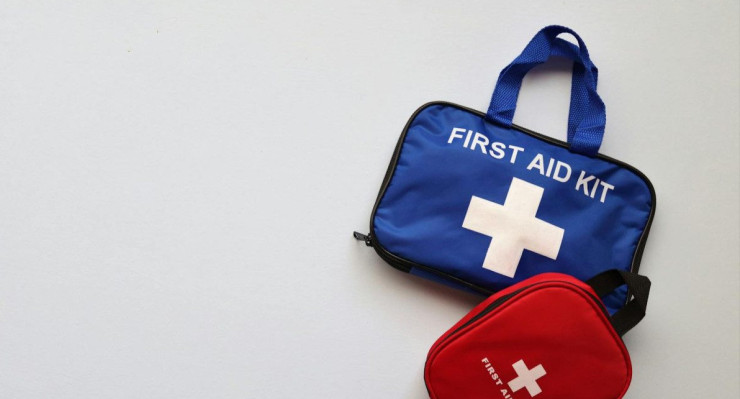
First aid is about staying calm, acting quickly, and doing simple things well. A clean bandage, steady pressure, cooling a burn, helping someone breathe, or calling emergency services at the right time can make a major difference. Consider keeping a stocked first aid kit nearby and taking a certified first aid and CPR course so you are better prepared when everyday emergencies happen.