
Technology has transformed the way we travel. Cars are smarter, roads are wider, signals are better, and safety systems are more advanced than ever before. Yet every day, people still lose their lives on streets and highways because of speeding, distraction, impatience, and poor judgment. The road safety crisis is not only a problem of vehicles or infrastructure; it is a human problem.
At its heart, road safety begins with the choices we make. A driver choosing to slow down near a school, a pedestrian choosing to use a crosswalk, a cyclist choosing to wear reflective clothing, or a motorcyclist choosing to wear a helmet can all make the difference between life and death. Safer roads matter, but responsible behavior matters even more.
Road Safety Starts With the Choices We Make
Road safety is often discussed in terms of better highways, stronger cars, smarter traffic lights, and advanced braking systems. These improvements are important, but they cannot replace human responsibility. A modern car with airbags and sensors is still dangerous in the hands of a distracted, impatient, or untrained driver. The most advanced road design cannot fully protect people from reckless choices.
Every journey is shaped by decisions. Do we check our phone while driving, or keep our eyes on the road? Do we rush through a yellow light, or slow down? Do we cross between moving cars, or wait for the signal? These small moments may seem ordinary, but they are the foundation of road safety. The safest feature on any road is not a machine—it is a person making the right choice.
The Global Toll of Unsafe Choices on Roads
Road crashes are a silent global public-health emergency. Around 1.19 million people die every year in road traffic crashes worldwide. That means more than 3,200 deaths every day, more than two deaths every minute, and roughly one death every 26 seconds. These are not just statistics; they represent parents, children, friends, workers, and students whose lives end suddenly on roads.
The impact reaches far beyond families. Road crashes cost many nations nearly 3% of their GDP, draining healthcare systems, reducing productivity, and placing heavy emotional and financial burdens on communities. Children and young adults aged 5–29 are especially affected, with road traffic injuries being the leading cause of death in this age group. Males are also typically about three times more likely to be killed in road crashes than females, often due to higher exposure and risk-taking behavior.
Why Vulnerable Road Users Pay the Highest Price
Not everyone on the road has the same protection. Car occupants may have seat belts, airbags, and metal frames around them, but pedestrians, cyclists, and motorcyclists are far more exposed. More than half of global road deaths involve vulnerable road users, including pedestrians, motorcyclists, and cyclists. Pedestrians account for about 23% of deaths, motorcyclists and two-wheeler riders about 21%, and cyclists around 6%.
This unequal risk is especially severe in low- and middle-income countries, where many people depend on walking, cycling, or two-wheelers for daily travel. Crowded streets, limited crossings, poor lighting, and fast-moving traffic make their journeys more dangerous. Even in places with better infrastructure, vulnerable road users remain at risk when drivers fail to yield, speed through urban areas, or ignore school zones and intersections.
Better Roads Cannot Fix Careless Decisions
It is easy to blame poor road conditions, bad weather, or faulty vehicles after a crash. While these factors can contribute, human behavior is often the root cause. Speeding, distracted driving, drunk driving, fatigue, and aggressive behavior turn ordinary roads into dangerous places. As average speed increases, both the chance of a crash and the severity of injuries rise sharply.
Safety is learned, not automatic. Yet many people are never properly taught how to manage risk on the road. Infrastructure has improved rapidly, but driver skills and road awareness have not always kept pace. An unskilled or careless driver can be dangerous even in a highly advanced car, while a skilled and responsible driver can often navigate safely even on poor roads. This is why education, discipline, and awareness are just as important as engineering.
Building Safer Streets Through Human Responsibility
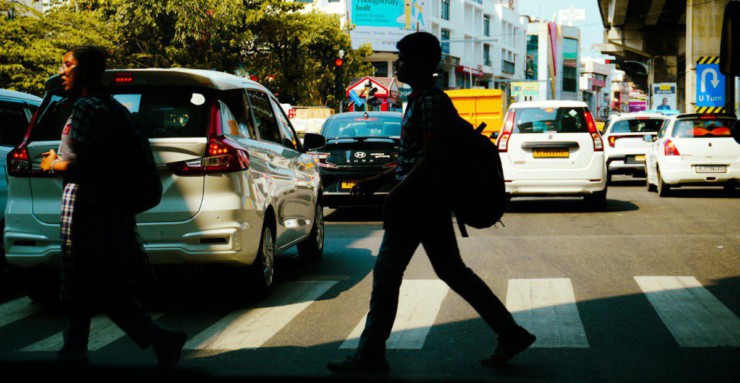
Creating safer streets requires everyone to take responsibility. Pedestrians should obey signals, use crosswalks, avoid distractions, and stay visible, especially at night. Cyclists should follow traffic rules, use lights, wear reflective clothing, and ride predictably. These habits may seem simple, but they help drivers see and understand what others on the road are doing.
Drivers carry an even greater responsibility because their choices can cause serious harm to others. Slowing down in urban areas, yielding at crosswalks, staying patient in traffic, avoiding phone use, and being extra careful near schools and intersections can save lives. Road safety is not only about avoiding punishment or following rules; it is about respecting human life.
Better roads and smarter cars can help reduce crashes, but they cannot erase the human factor. True safety begins with behavior: choosing patience over speed, awareness over distraction, and skill over recklessness. Every trip, whether short or long, is a chance to choose responsibility.
The road does not become safe simply because technology improves. It becomes safer when people decide to act with care. Whether we are walking, cycling, riding, or driving, we all share the same streets. The most powerful safety feature on any road is not built into a car—it is the human being making wise choices.