
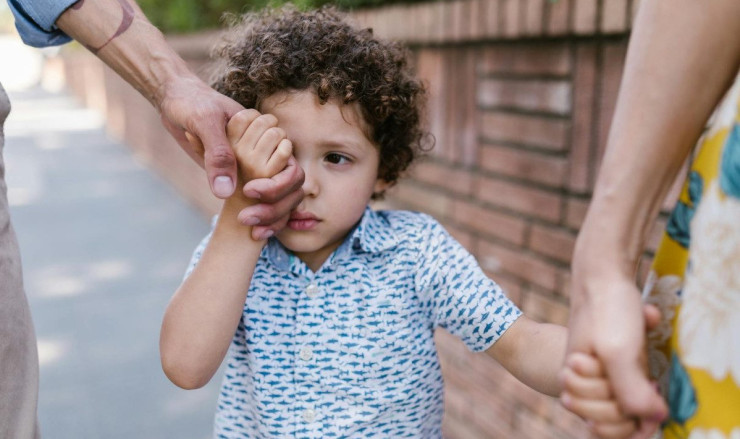
When a child says they feel uncomfortable around someone—or shows it through their behavior—it is not something to brush aside. Children may not always have the words to explain what feels wrong, but their fear, hesitation, or sudden change in mood can be an important signal. Listening carefully does not mean jumping to conclusions; it means taking their feelings seriously, creating a safe space for honesty, and making sure their well-being comes first.
Why a Child’s Unease Deserves Your Attention
Children often sense discomfort before they can fully explain it. They may notice someone’s tone, behavior, touch, attention, or boundaries in a way that makes them feel unsafe, even if adults around them do not immediately see a problem. When a child expresses unease, dismissing it with phrases like “Don’t be rude” or “They’re just being friendly” can teach them to ignore their instincts. Instead, acknowledging their feelings helps them trust themselves and trust you. A child who knows they will be believed is more likely to speak up when something truly matters.
Subtle Signs a Child Feels Unsafe With Someone
Not every child will directly say, “I don’t feel safe.” Some may become quiet, clingy, angry, tearful, or unusually withdrawn when a certain person is nearby. Others may refuse hugs, avoid being alone with someone, complain of stomachaches, ask to leave, have sleep problems, or suddenly lose interest in activities involving that person. These signs do not automatically prove harm, but they are worth noticing. A pattern of anxiety, fear, or avoidance around a specific individual deserves calm attention and gentle follow-up.
How to Respond Without Dismissing Their Fear
The best first response is to stay calm, listen, and let the child know they are not in trouble. You might say, “I’m glad you told me,” or “You never have to be around someone who makes you feel unsafe.” Avoid pressuring them for details right away, criticizing their reaction, or defending the other person. Children may shut down if they sense disbelief or panic. Your job in that moment is to make them feel protected, not interrogated. Reassure them that their body and feelings matter, and that you will help keep them safe.
Questions That Help Children Share the Truth
Gentle, open-ended questions can help a child explain what happened without feeling led or pressured. You might ask, “What made you feel uncomfortable?” “When do you feel that way?” “Has anything happened that you didn’t like?” or “Is there something you want me to know?” Let them answer in their own words and at their own pace. Avoid questions that suggest a specific answer, such as “Did they hurt you?” unless there is an immediate safety concern. The goal is to understand, not to force a confession or create fear.
Taking Safe Next Steps to Protect Your Child
If a child feels unsafe around someone, limit or stop their contact with that person while you learn more. Do not require hugs, private time, visits, lessons, or activities with someone they fear. If the child describes inappropriate behavior, threats, touching, coercion, or anything that suggests abuse, seek help immediately from the appropriate child protection services, law enforcement, a pediatrician, or a licensed child therapist. Keep notes of what the child says using their exact words when possible. Most importantly, show your child through your actions that their safety matters more than politeness, convenience, or another adult’s feelings.
A child’s discomfort is never an inconvenience to ignore. Whether their fear comes from a misunderstanding, a boundary issue, or something more serious, they deserve to be heard with patience and respect. By listening closely, responding calmly, and taking protective steps when needed, you teach your child that their voice matters—and that they can come to you when they need safety, support, and trust.