
Water can be peaceful, refreshing, and fun, but it also demands respect every time you go near it. Whether you are visiting a beach, lake, river, pool, waterfall, or boating area, safety should always come first. Conditions can change quickly, and even strong swimmers can get into trouble if they ignore basic rules. By following a few essential water safety practices, you can help protect yourself, your family, and others during every visit.
Check Conditions Before You Go Near the Water
Before entering or even walking close to any water body, take time to check the conditions. Look for warning signs, weather updates, tide information, water depth, currents, and any posted restrictions. Rivers may be faster than they appear, beaches may have rip currents, and lakes can hide sudden drop-offs or slippery surfaces. If the weather looks stormy, the water is rough, or authorities have issued warnings, stay out of the water. A safe visit begins with understanding the risks before you get too close.
Stay Within Marked Areas and Safe Boundaries
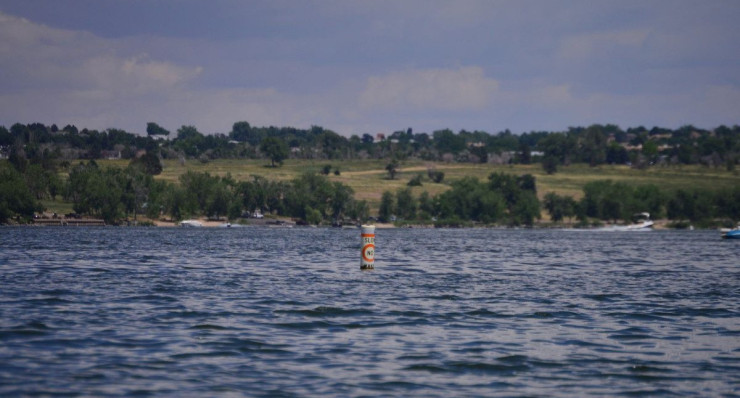
Designated swimming and recreation areas exist for a reason. They are usually chosen because they are safer, easier to monitor, and away from hazards such as boat traffic, strong currents, rocks, or deep water. Always stay inside marked boundaries, follow signs, and listen to lifeguards or local officials. Avoid climbing over barriers, swimming beyond buoys, or entering restricted zones. Going outside safe limits may seem harmless, but it can quickly place you in danger.
Keep Children in Sight and Within Arm’s Reach
Children need constant supervision around water, even if they know how to swim. Drowning can happen quickly and quietly, often without shouting or splashing. Keep young children within arm’s reach at all times, especially near pools, rivers, beaches, and docks. Do not rely only on floaties, older siblings, or lifeguards to watch them. An adult should be fully focused on supervision, without distractions from phones, conversations, or other activities.
Wear Life Jackets Whenever Conditions Demand
Life jackets save lives, especially during boating, kayaking, paddleboarding, fishing, or swimming in deep, cold, or moving water. Choose a properly fitted, approved life jacket and make sure it is securely fastened. Children, weak swimmers, and anyone near unpredictable water should wear one whenever conditions demand it. Inflatable toys, pool noodles, and air mattresses are not safety devices and should never replace a real life jacket.
Avoid Alcohol and Risky Choices Around Water
Alcohol and water activities are a dangerous combination because alcohol affects balance, judgment, reaction time, and swimming ability. Avoid drinking before swimming, boating, supervising children, or walking near slippery banks and docks. Risky choices, such as diving into unknown water, showing off, swimming alone, or ignoring warnings, can lead to serious injury or drowning. Staying safe means making clear, responsible decisions every time you are near water.
Know How to Call for Help in an Emergency
Everyone should know what to do if something goes wrong near the water. Learn the local emergency number, identify the nearest lifeguard station or help point, and know your exact location so you can explain it clearly. If someone is struggling in the water, call for help immediately and avoid jumping in unless you are trained to perform a rescue. Use the “reach or throw, don’t go” rule when possible: reach with a pole or throw a flotation device instead of putting yourself in danger.
Water safety is not about fear; it is about being prepared, alert, and responsible. Every visit near water becomes safer when you check conditions, follow boundaries, watch children closely, use life jackets, avoid risky behavior, and know how to respond in an emergency. By respecting the water and following these essential rules, you can enjoy your time near it while greatly reducing the risk of accidents.