
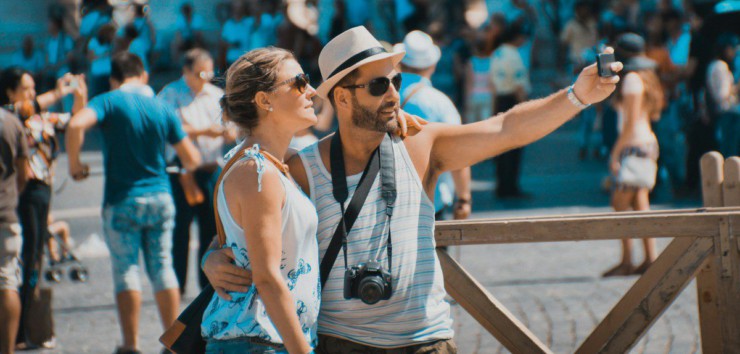
Travel should feel exciting, refreshing, and memorable—whether you are a couple taking a selfie at a famous landmark, trekking through nature, or exploring a lively city street. But safe tourism depends on more than luck. Smart preparation, awareness, and practical choices can protect you from avoidable risks while allowing you to enjoy new cultures, landscapes, and experiences with confidence.
Plan Ahead Before Every Tourist Adventure
Before you set out, research your destination carefully, including local safety conditions, common tourist scams, weather risks, transport options, and nearby medical facilities. Save important addresses, learn basic local emergency numbers, and understand which areas are safe for visitors. A simple plan—where you are going, how you will get there, and when you expect to return—can make your trip smoother and safer.
Stay Together When Exploring Unfamiliar Places
Tourists are more vulnerable when they are isolated, especially in unfamiliar neighborhoods, remote trails, or busy nightlife areas. Whenever possible, explore with trusted companions, join organized tours, or stay near other travelers. If you are traveling as a couple or group, agree on meeting points in case someone gets separated, and avoid wandering away alone for photos, shopping, or shortcuts.
Verify Drivers, Guides, and Tour Services
Not everyone who offers help is trustworthy, so always confirm the identity of drivers, guides, and tour operators before relying on them. Book transportation through verified apps, official taxi counters, hotel desks, or reputable agencies. Ask guides or drivers for identification, check vehicle details, and share the license plate, driver name, and route with your hotel or someone you trust.
Choose Safe Routes and Avoid Lonely Areas
A beautiful shortcut or quiet street may not always be the safest option, especially after dark. Choose well-lit, populated routes and avoid isolated beaches, empty alleys, remote viewpoints, or deserted roads at night. If you are unsure about an area, ask hotel staff or local authorities for advice, and use reliable navigation tools to stay on known, safer paths.
Keep Emergency Contacts Ready and Visible
Preparation can make a major difference during an emergency. Save local police, ambulance, fire service, hospital, embassy, hotel, and trusted family contacts in your phone, but also keep a written copy in your wallet or bag in case your battery dies or your phone is lost. Let your hotel know your daily plans when possible, especially if you are heading to remote areas or returning late.
Carry Simple Tools for Personal Protection
Small safety tools can help you respond quickly if you feel threatened or get into trouble. Depending on local laws, consider carrying a personal alarm, whistle, flashlight, portable charger, or pepper spray where permitted. These items are not meant to create fear, but to give you options—drawing attention, finding your way, or calling for help when you need it most.
Share Your Location With People You Trust
Location sharing is one of the easiest ways to improve travel safety. Use GPS tracking apps or built-in phone features to share your live location with family, friends, or travel companions, especially during hikes, late-night outings, long rides, or solo activities. You can also send quick updates with your destination, driver details, and expected return time so someone knows where you are.
Respect Local Norms and Stay Alert in Crowds
Understanding local customs helps you avoid misunderstandings and unnecessary conflict while traveling. Dress appropriately where required, follow cultural rules, and be respectful when taking photos or visiting religious and community spaces. In crowded markets, festivals, stations, and tourist attractions, stay alert for pickpockets, scams, or suspicious behavior, and keep your valuables secure and close to your body.
Tourism should be about joy, discovery, and connection—not fear. By staying in groups, verifying services, avoiding risky areas, preparing for emergencies, and respecting local norms, you protect yourself and the people traveling with you. Safety is not paranoia; it is empowerment. The world is worth exploring, and it is best explored wisely.