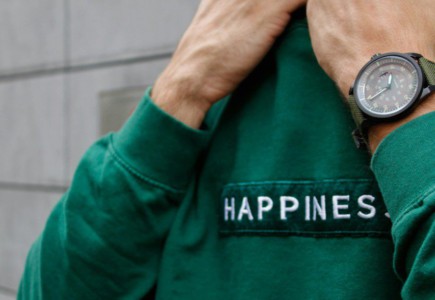


Most people are taught to chase happiness as if it is waiting at the next level: a better job, a bigger house, more money, more recognition, or a more impressive life. But many people reach those milestones and still feel restless, unsatisfied, or strangely unchanged. The reason is simple but often overlooked: happiness depends less on how much you keep adding to your life and more on the mindset you bring to your ordinary days. What you expect, notice, accept, and appreciate shapes your emotional life just as much as your achievements do.
Why More Success Does Not Always Feel Better
More success does not always create more happiness because the human mind quickly adjusts to improvement. A raise feels exciting for a while, a new title feels meaningful for a season, and a major achievement brings pride for a moment—but soon, the new level becomes normal. Then the mind starts looking for the next thing. This is why money, power, status, or praise can improve comfort but still fail to create lasting satisfaction. When comparison enters the picture, even progress can feel small because someone else always seems to have more. Real peace begins when you understand that “enough” is not just a number or a destination; it is a mindset you practice.
The Hidden Gap Between Results and Expectations
A simple way to understand happiness is: Happiness = Results − Expectations. If your results improve but your expectations rise even faster, you may still feel disappointed. For example, someone may earn more than they once dreamed of, but if they now expect luxury, constant admiration, and a problem-free life, satisfaction can still drop. This hidden gap explains why people can appear successful from the outside yet feel frustrated inside. Managing expectations is not about becoming lazy or unambitious; it is about keeping your desires realistic enough that life can still feel good while you grow.
Learning to Want Less Without Giving Up Hope
Wanting less does not mean giving up on your goals or settling for a life you dislike. It means removing unnecessary desires that create pressure without adding real meaning. You can still work hard, dream bigger, and improve your circumstances while also refusing to let every new desire control your peace. Contentment comes from balance: appreciating what you have while calmly moving toward what you want. When you stop treating every missing thing as a personal failure, life becomes lighter, and progress becomes healthier.
How Presence Quietly Makes Ordinary Days Richer
Modern life constantly pulls attention away from the present moment through phones, notifications, scrolling, news, and endless information. The mind becomes busy, but not necessarily peaceful. Presence brings happiness back into ordinary life because it helps you actually experience what is already here: a quiet morning, a good meal, a sincere conversation, a walk outside, or a moment of rest. When you reduce digital distractions and mental clutter, you begin to notice that many parts of life are not empty—they were simply being ignored.
Gratitude Shifts Attention From Lack to Enough
The human brain naturally pays more attention to problems, risks, and disappointments than to what is going well. Gratitude helps correct that imbalance. Writing down a few things you are grateful for, thanking someone sincerely, or simply pausing to notice what is stable in your life can shift your emotional state. Gratitude does not deny pain or pretend everything is perfect; it reminds you that difficulty is not the whole story. Over time, small moments of appreciation reduce resentment and help the mind recognize enoughness.
Accepting Life as It Is Reduces Daily Stress
A major source of stress is expecting life to follow your exact plans. But life often moves differently: people change, delays happen, opportunities disappear, and problems arrive without permission. Acceptance does not mean liking everything or refusing to improve your situation. It means seeing reality clearly instead of fighting what has already happened. When you accept that life will not always go your way, you waste less energy resisting and use more energy adapting. This calm flexibility makes daily life far less exhausting.
Expecting Less From Others Protects Your Peace
Many disappointments come from expecting people to think, act, communicate, or care exactly the way we want them to. But people behave according to their own values, fears, habits, and level of awareness. Lowering expectations from others does not mean becoming cold or detached; it means protecting your emotional stability. You can love people, trust wisely, and set boundaries without depending on everyone to behave perfectly. When you accept differences calmly, you stop handing your peace to other people’s moods and choices.
Grounded Choices Beat Perfect Life Fantasies
Happiness grows when you deal with life as it is, not only as you imagine it should be. Perfect life fantasies often create frustration because reality rarely matches them. A grounded mindset asks practical questions: What is true right now? What can I control? What decision makes sense with the facts I have? This approach does not remove ambition; it makes ambition stronger because it is based on clarity instead of illusion. When your choices are realistic, you create progress without constantly feeling betrayed by life.
Financial Calm Comes From Discipline, Not Excess
Money alone does not guarantee happiness, but financial stability can reduce stress and create a sense of safety. The key is not always earning endlessly more; it is learning to manage what you have with discipline. Saving consistently, avoiding unnecessary debt, spending intentionally, and building long-term security can bring more peace than constantly chasing a higher lifestyle. Excess often creates new pressure, but discipline creates breathing room. Financial calm comes from knowing you are not living at the edge of your means.
Time, Perspective, and the Mindset Behind Joy
Time affects happiness more than many people realize. A life filled only with obligations, rushing, and productivity may look responsible but feel emotionally empty. Joy often comes from using time intentionally: being with people who matter, resting without guilt, doing meaningful work, enjoying simple pleasures, and making space for reflection. The happiest people are not always the ones who have the most; they are often the ones who think differently about what they already have. They focus on what they can control, appreciate what is present, and stop postponing peace until everything is perfect.
Happiness is not created by endlessly adding more achievements, possessions, or approval to your life. It is shaped by your expectations, attention, acceptance, gratitude, and daily choices. When you reduce unnecessary desires, stay present, manage money wisely, expect less perfection from life and people, and use your time with intention, happiness becomes less dependent on external milestones. You may still pursue growth, but you no longer need every future achievement to rescue you. Peace begins when you learn to make the best of what is already here.