

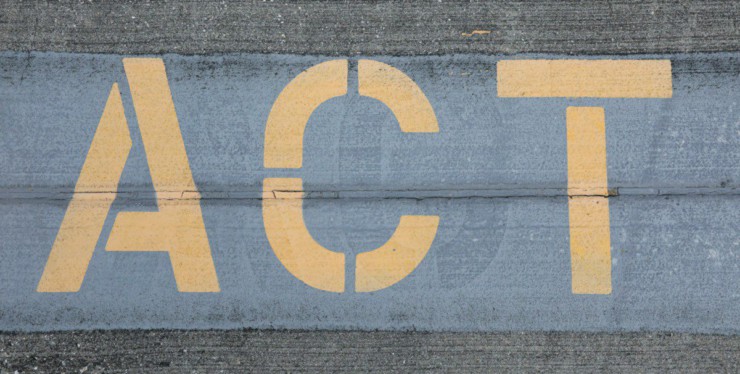
Feeling better every day often begins with one simple choice: taking action. When you feel stuck, low, or overwhelmed, it is easy to believe the problem is the size of your challenges. But many times, the real weight comes from waiting, overthinking, and delaying what needs to be done. The moment you start moving—even with one small step—your mind begins to shift. Action gives your brain a signal that progress is happening, and that signal can change your mood, energy, and confidence.
Small Actions Spark Motivation in Your Brain
Your brain does not need a huge victory to feel encouraged; it responds to progress. When you take action, even something as small as making your bed, writing one sentence, taking a short walk, or sending one important message, your brain releases healthy dopamine—the chemical linked to motivation and satisfaction. This is why starting often feels better than waiting. Progress matters more than perfection because every small movement reduces mental resistance and reminds you that you are not powerless. You begin to feel lighter because your mind recognizes that something is changing.
Momentum Quietly Breaks the Overthinking Loop
Overthinking grows strongest when you stay still. The longer you delay, the more your mind creates doubts, fears, and complicated “what if” stories. But action cuts through that noise. Once you begin, your focus shifts from fear to execution, and the task usually becomes clearer than it seemed in your head. You do not need to have everything figured out before you start; often, clarity comes after movement. Momentum quietly breaks the loop because doing gives your mind something real to work with instead of endless imagined problems.
Confidence Grows When You Keep Showing Up
Confidence is not built by thinking about what you might do someday; it is built by proving to yourself that you can show up today. Every time you take action, you collect evidence that you are capable. Repeated effort replaces doubt with clarity, and progress creates self-trust. Even when the result is not perfect, the act of doing strengthens your belief in yourself. The more you keep showing up, the more confident you become—not because life suddenly gets easy, but because you know you can handle it.
Enjoy the Process While Progress Unfolds
Many people delay happiness until the goal is complete, but real satisfaction often comes from being engaged in the process. When you are present with what you are doing, you begin to find meaning in the effort itself. Small wins become worth celebrating, and progress becomes something you can enjoy along the way. Instead of waiting to feel proud only at the finish line, you allow yourself to feel encouraged with every step forward. Happiness grows during progress, not just after success.
Procrastination Drains Peace Until You Begin
Procrastination may seem like rest, but it often drains more energy than the task itself. Unfinished work stays in the background of your mind, creating stress, guilt, and anxiety. The longer you avoid something, the heavier it feels. But the moment you begin, emotional pressure starts to drop. Taking action creates relief because your mind no longer has to carry the burden of avoidance. Even a small start can bring peace, because starting tells your brain that the problem is being handled.
Daily Discipline Turns Effort Into Happiness
Motivation is helpful, but it comes and goes. Discipline is what keeps you moving when your feelings are not cooperating. When you build simple habits and show up consistently, effort becomes less overwhelming and more natural. Daily discipline gives structure to your life, and that structure creates a steady sense of satisfaction. You do not have to feel inspired every day to make progress; you only need to take the next right step. Over time, consistent action turns into long-term happiness because you trust yourself to keep going.
Happiness is not something you have to wait for until everything is finished. It can be experienced while you are taking action, building momentum, and becoming stronger through the process. Small steps create motivation, reduce stress, quiet overthinking, and build confidence over time. When you stop procrastinating and start moving forward, you do more than complete tasks—you begin to feel better every day.