

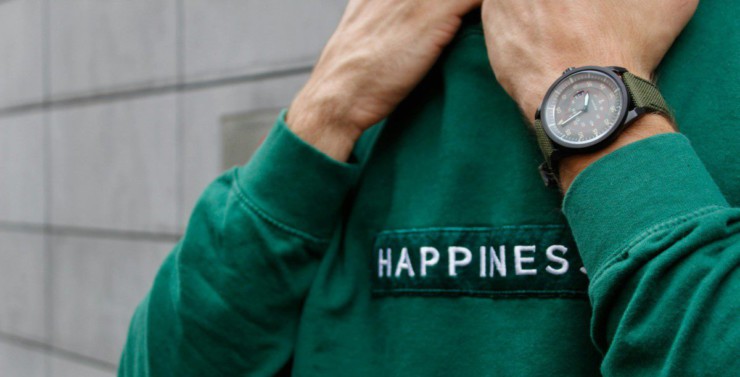
What if happiness is not something you wait for, but something you practice every day? The story of Matthieu Ricard, a Buddhist monk often called the “world’s happiest man,” suggests exactly that. Neuroscience studies of his brain showed unusually strong patterns linked to focus, emotional balance, and positive states of mind—not because he was simply born lucky, but because he had trained his mind for years through meditation, compassion, and awareness. His example points to a powerful truth: happiness is not just a mood that appears when life goes well; it is a skill you can strengthen through repetition.
Happiness Is a Practice, Not a Lucky Mood
Many people think happiness depends on outside conditions: success, relationships, money, praise, or a life without problems. But lasting happiness is less about perfect circumstances and more about how the mind learns to meet life. Like physical strength, emotional well-being grows through practice. You do not become calm, grateful, or joyful by accident; you develop those qualities by returning to them again and again. Happiness is not permanent in the sense that you feel good every moment, but it can become more stable when you train your attention, thoughts, and responses daily.
Your Brain Learns Whatever You Repeat Daily
The brain is constantly adapting to what you practice most. In studies of Matthieu Ricard, researchers found unusually high levels of gamma brain waves, which are associated with focus, learning, awareness, and emotional regulation. This did not happen randomly; it reflected years of mental training. Repeated thoughts and emotional habits create pathways in the brain, making certain responses easier over time. If you repeatedly practice worry, your mind becomes better at worry; if you repeatedly practice gratitude, compassion, and calm awareness, your brain becomes better at those too.
Positive Emotions Grow Through Mental Training
Happiness is not about pretending life is easy or denying pain. It is about training the mind to respond with more balance, perspective, and openness. Brain scans of Ricard also showed strong activity in the left prefrontal cortex, an area linked to positive emotions, along with reduced activity in regions associated with negativity. This suggests that positivity is not merely something you feel when everything goes right; it is something that can be strengthened. By practicing gratitude, reframing difficult experiences, and noticing what is still good, you gradually change the way your mind processes life.
Compassion Turns Connection Into Inner Peace
One of the most meaningful findings from Ricard’s training is that his happiness was deeply connected to compassion. He was not simply focusing on making himself feel good; he was practicing kindness, empathy, and concern for others. This matters because self-focused happiness can be fragile, while compassion creates a sense of connection and purpose. When you wish others well, help someone, listen with care, or act with kindness, you also soften your own inner world. Compassion reduces isolation and turns human connection into a steady source of peace.
Small Daily Habits Build Lasting Happiness
Happiness grows through consistency, not intensity. A single moment of gratitude, one meditation session, or one kind act may feel small, but repeated daily, these habits begin to shape your emotional life. Just as a body becomes stronger through regular exercise, the mind becomes steadier through regular awareness. Simple practices such as taking a few mindful breaths, writing down three things you appreciate, pausing before reacting, or sending a kind message can build resilience over time. The key is not doing something dramatic once, but doing something meaningful often.
A Trained Mind Responds Instead of Reacting
The real power of a trained mind appears when life becomes difficult. Stress, disappointment, conflict, and uncertainty will still happen, but mental training creates space between what happens and how you respond. Instead of immediately reacting with anger, fear, or panic, you learn to observe your emotions, understand them, and choose your next step more wisely. Mindfulness strengthens this pause. Over time, you become less controlled by every passing mood and more capable of meeting challenges with clarity, patience, and calm.
Happiness is not waiting for everything to go right. It is learning how to stay steady even when things go wrong. Matthieu Ricard’s example reminds us that the happiest people are not necessarily those with perfect lives, but those who have trained their minds to experience life differently. You do not simply find happiness somewhere outside yourself; you build it thought by thought, habit by habit, day by day.