
Keeping immune-supporting foods stocked year-round is less about chasing “miracle cures” and more about building a kitchen that makes healthy choices easy every day. Staples like garlic, onions, lemons, ginger, turmeric, fermented foods, honey, blueberries, citrus, and vitamin D-supporting nutrients can help round out a diet that supports normal immune function. Research-backed resources such as the NIH Office of Dietary Supplements, Harvard T.H. Chan School of Public Health, and peer-reviewed nutrition reviews consistently emphasize the same foundation: a varied diet, adequate vitamins and minerals, gut health, sleep, movement, and stress management all work together.
Why Immune-Supporting Staples Matter Year-Round
Immune-supporting staples matter because your body needs steady nourishment in every season, not just during cold and flu months. Foods rich in vitamin C, zinc, polyphenols, fiber, probiotics, and anti-inflammatory compounds can help support normal immune defenses over time. Stocking basics like fresh whole garlic, onions, lemons, limes, frozen ginger, turmeric, blueberries, raw sauerkraut, kefir, kimchi, local honey, and pantry spices makes it easier to cook meals that are flavorful and nutrient-dense. No single food can “boost” immunity like a switch, but a well-stocked kitchen helps you consistently give your body the raw materials it needs to function well.
Garlic, Onions, and Lemons for Everyday Meals
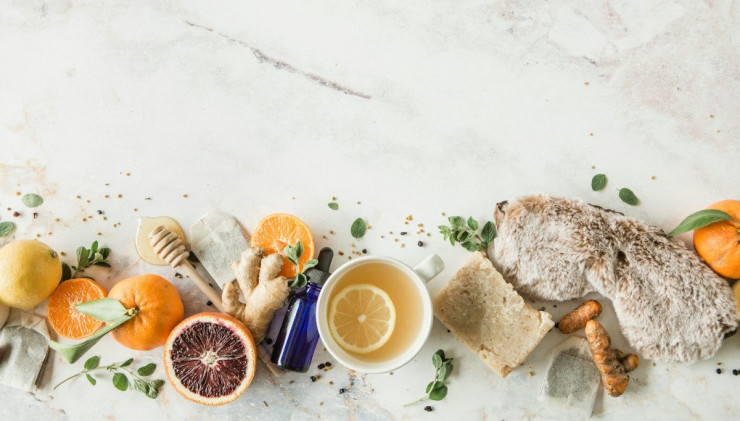
Garlic, onions, and lemons are some of the easiest immune-supporting foods to keep on hand because they fit into almost anything. Garlic contains sulfur compounds such as allicin, which has been studied for its antimicrobial and anti-inflammatory properties, while onions provide prebiotic fibers and flavonoids like quercetin. Lemons and limes add vitamin C and acidity that brightens soups, roasted vegetables, dressings, marinades, and teas. A simple year-round habit could be adding fresh garlic and onions to dinner, squeezing lemon over greens or fish, or making a warm drink with lemon, honey, and ginger when you want something soothing.
Ginger, Turmeric, and Pepper in Your Pantry
Ginger, turmeric, and black pepper are pantry staples that bring both flavor and functional compounds to everyday meals. Ginger contains gingerols, which have been researched for digestive and anti-inflammatory benefits, while turmeric contains curcumin, a compound widely studied for its role in inflammation pathways. Black pepper contains piperine, which can improve curcumin absorption, making turmeric and pepper a smart pairing in soups, rice dishes, stews, roasted vegetables, and golden milk. Many people also keep cinnamon, oregano, rosemary, and salt nearby for seasoning; herbs like oregano and rosemary provide antioxidant plant compounds, though they should be seen as supportive ingredients rather than medical treatments.
Fermented Foods: Kimchi, Sauerkraut, Kefir
Fermented foods like kimchi, raw sauerkraut, and kefir are worth keeping stocked because they support gut health, and the gut plays a major role in immune function. Fermented foods may provide beneficial bacteria, organic acids, and bioactive compounds, depending on how they are made and stored. Raw sauerkraut and kimchi can be added to eggs, rice bowls, sandwiches, tacos, or salads, while kefir works well in smoothies or as a simple drink. If you are new to fermented foods, start with small servings and increase gradually, especially if you are sensitive to high-fiber or fermented foods.
Honey, Blueberries, Citrus, and Vitamin C
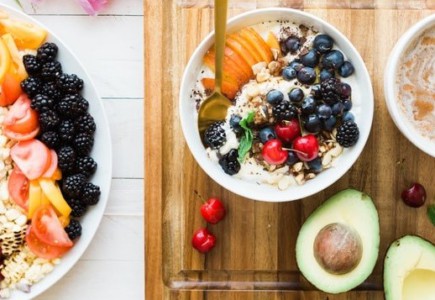
Local honey, blueberries, citrus fruits, lemons, and limes are easy to keep in rotation for both taste and nutrition. Blueberries are rich in anthocyanins, the pigments linked with antioxidant activity, while citrus fruits are classic sources of vitamin C, a nutrient the NIH recognizes as important for normal immune function and antioxidant protection. Honey can be soothing in warm drinks and may help calm occasional coughs in adults and children over age one, though it should never be given to infants under 12 months. A simple stocked routine might include frozen blueberries for smoothies, fresh lemons for water or tea, oranges or grapefruit when in season, and honey paired with garlic, ginger, or lemon.
What Research Says About Vitamin D3
Vitamin D3 is one of the better-supported nutrients for immune health, especially for people with low vitamin D levels, and many healthcare professionals recommend checking blood levels before supplementing long-term. Vitamin K2 is often paired with D3 because it supports calcium metabolism and bone health.
The best immune-supporting foods to keep stocked all year are the ones you will actually use: garlic and onions for cooking, lemons and limes for brightness, ginger and turmeric for warmth, fermented foods for gut support, berries and citrus for vitamin C, and thoughtful supplements like D3 when needed. Together, these staples create a practical, flavorful foundation for everyday wellness without relying on hype or quick fixes.