

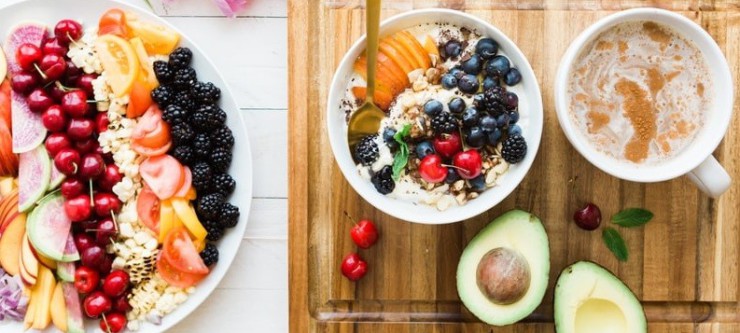
Healthy eating is one of the most reliable foundations for lifelong well-being. According to the World Health Organization, a nutritious diet helps protect against malnutrition and lowers the risk of non-communicable diseases such as diabetes, heart disease, stroke, and some cancers. In today’s world, where processed foods, sugary drinks, refined carbohydrates, and salty snacks are everywhere, making thoughtful food choices has become more important than ever. The goal is not perfection or strict restriction, but building everyday habits that support energy, immunity, healthy aging, and a better quality of life.
Why Healthy Eating Shapes Lifelong Well-Being
What we eat each day affects how we feel, think, move, heal, and age. A diet rich in whole foods provides the body with essential nutrients, while a diet high in processed foods, unhealthy fats, added sugars, and excess salt can increase the risk of chronic disease over time. Healthy eating supports stable energy, better digestion, stronger immunity, healthier weight management, and long-term protection for the heart, brain, and metabolism. Small daily choices—such as choosing vegetables over chips or water over soda—can add up to powerful lifelong benefits.
Choose Whole Grains for Steady Daily Energy
Grains are an important source of energy, but whole grains are far more beneficial than refined grains because they contain more fiber, vitamins, minerals, and natural plant compounds. Choosing whole-grain bread, oats, brown rice, whole-wheat pasta, barley, or high-fiber cereals can help support digestion, keep you full longer, and provide steadier energy throughout the day. Refined and highly processed carbohydrates, such as white bread, pastries, sugary cereals, and many packaged snacks, should be reduced because they often cause quick blood sugar spikes and provide fewer nutrients.
Build Balanced Meals With Quality Proteins
Protein is essential for muscle repair, immune function, hormone production, and overall metabolic health, but the quality and variety of protein sources matter. Lean options such as eggs, beans, lentils, skinless poultry, fish, seafood, soy products, nuts, and seeds are excellent choices for balanced meals. It is generally healthier to choose white meat more often than red meat and to minimize processed meats and high-fat cuts. Including different protein sources during the week helps provide a wider range of nutrients while supporting long-term health.
Favor Healthy Fats and Avoid Harmful Trans Fats
Fat is not something to fear, but choosing the right kind is important. Healthy fats from olive oil, canola oil, nuts, seeds, avocados, and fatty fish can support heart and brain health when eaten in sensible portions. At the same time, saturated fats from butter, fatty meats, and full-fat processed foods should be limited, while trans fats should be avoided completely whenever possible. Trans fats are often found in packaged snacks, fried fast foods, pastries, and some baked goods, and they can raise the risk of heart disease. Ultra-processed junk foods are best kept to a minimum because they often combine unhealthy fats with refined flour, sugar, and excess salt.
Fill Your Plate With Colorful Produce Daily
Fruits and vegetables are among the most powerful foods for lifelong well-being because they provide fiber, vitamins, minerals, antioxidants, and hydration. A simple habit is to “eat the rainbow” by including dark green, red, orange, purple, and yellow produce throughout the week. Leafy greens, carrots, peppers, tomatoes, berries, citrus fruits, squash, and seasonal vegetables all bring different benefits to the body. However, it is important to avoid any fruits or vegetables that cause allergies or that a doctor has advised you not to eat.
Pick Lighter Dairy and Respect Your Tolerance
Dairy products can be useful sources of calcium, protein, and other nutrients, especially for bone health, but they should be chosen wisely and based on personal tolerance. Fat-free or low-fat milk, yogurt, and other dairy products are often better everyday choices than high-fat versions. For people who are lactose intolerant or medically advised to avoid dairy, there are many alternatives, such as fortified plant-based milks or other calcium-rich foods. Listening to your body is part of healthy eating, and no single food group should be forced if it causes discomfort or health concerns.
Cut Back on Salt and Sugar Hidden in Foods
Too much salt and sugar can quietly damage long-term health, contributing to high blood pressure, diabetes, heart disease, kidney problems, and weight gain. Many people consume more sodium and added sugar than they realize because they are hidden in processed foods, sauces, canned soups, packaged meals, breakfast cereals, snacks, and sweetened drinks. Reading nutrition labels, cooking more at home, using herbs and spices instead of extra salt, and choosing unsweetened foods can make a big difference. People over 50 or those with hypertension, diabetes, or chronic kidney disease may need to limit sodium to less than 1,500 mg per day, as advised by health professionals.
Drink Mindfully to Support Long-Term Health
Beverages can strongly influence health because drinks may add large amounts of sugar and calories without making us feel full. Water should be the main daily drink, while sugary sodas, sweetened teas, energy drinks, and many flavored beverages should be restricted or avoided. If alcohol is consumed, moderation is important, and it should never be used in situations where it could put you or others at risk, such as before driving or operating equipment. Drinking mindfully helps support hydration, weight control, liver health, and overall well-being.
Healthy eating is not about harsh rules or giving up enjoyment; it is about making informed choices that help the body thrive. By choosing whole grains, quality proteins, healthy fats, colorful fruits and vegetables, lighter dairy when tolerated, and mindful beverages, while reducing excess salt, sugar, and ultra-processed foods, you create a strong foundation for long-term health. The habits you build today can protect your body, improve daily energy, and support a healthier, more vibrant life for years to come.