
Cholesterol is often talked about as if it is something to fear, but the truth is more balanced. Your body needs cholesterol to function, and heart health depends not on eliminating it completely, but on keeping the right types at healthy levels. When cholesterol becomes unbalanced—especially when “bad” cholesterol rises too high—it can quietly increase the risk of artery blockage, heart disease, and heart attack. Understanding how cholesterol works, what affects it, and how everyday choices can improve it gives you practical power to build a healthier heart over time.
Cholesterol Is Essential, Not the Enemy of Heart Health
Cholesterol is a waxy, fat-like substance made naturally by the liver and also found in animal-based foods such as meat, eggs, and dairy products. It plays several important roles in the body, including helping build cell membranes, supporting hormone production, and assisting in the creation of vitamin D. The problem is not cholesterol itself, but having too much of certain types or not enough of the protective kind. When cholesterol levels fall out of balance, especially over many years, they can begin to affect the arteries and increase the risk of serious heart conditions.
How Cholesterol Travels Through Your Bloodstream
Because cholesterol is fatty and blood is mostly water, cholesterol cannot move through the bloodstream on its own. Instead, it travels inside particles called lipoproteins, which carry cholesterol and fats to different parts of the body. The two main lipoproteins involved in heart health are LDL and HDL. LDL carries cholesterol from the liver to the tissues, while HDL helps carry excess cholesterol back to the liver for removal. This transportation system is normal and necessary, but problems begin when there is too much LDL and not enough HDL to help clear it away.
LDL and HDL: The Balance Your Arteries Need
LDL, or low-density lipoprotein, is often called “bad cholesterol” because high levels can leave cholesterol behind in the walls of arteries. Over time, this buildup can narrow the arteries and make blood flow more difficult. HDL, or high-density lipoprotein, is known as “good cholesterol” because it helps remove extra cholesterol from the bloodstream and supports cleaner, healthier arteries. For better cardiovascular health, the goal is usually to lower LDL, maintain or raise HDL, and create a healthier balance that protects blood vessels from long-term damage.
Triglycerides and the Calories Your Body Stores
Triglycerides are another type of fat found in the blood, and they are closely connected to how the body stores unused calories. When you eat more calories than your body needs—especially from sugary foods, refined carbohydrates, alcohol, and high-fat meals—those extra calories can be converted into triglycerides and stored as fat. While triglycerides are useful as an energy reserve, consistently high levels can raise the risk of heart disease and stroke, particularly when combined with high LDL or low HDL cholesterol.
Why High Cholesterol Can Quietly Harm the Heart
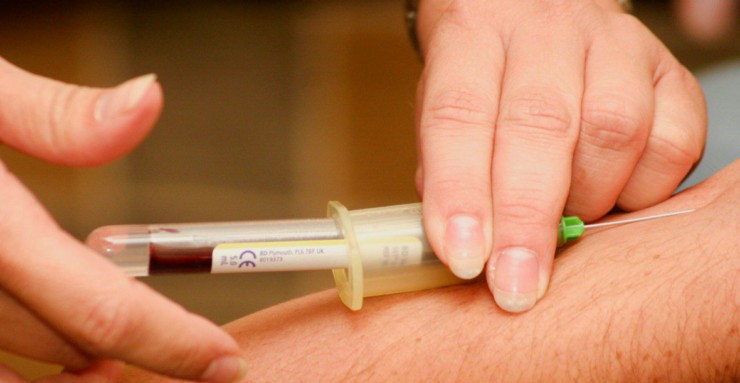
One of the most concerning facts about high cholesterol is that it usually causes no obvious symptoms. A person may feel completely healthy while cholesterol levels are silently increasing the risk of heart disease. High LDL cholesterol is especially harmful because it contributes to fatty deposits inside the arteries, raising the chance of reduced blood flow, chest pain, heart attack, or stroke. This is why routine cholesterol testing is important, even for people who feel well, because early awareness makes prevention and treatment much easier.
Plaque Buildup: How Arteries Narrow Over Time
When excess LDL cholesterol enters the artery walls, it can contribute to plaque buildup, a process known as atherosclerosis. Plaque is made of cholesterol, fat, calcium, and other substances, and as it grows, it causes arteries to become narrower and less flexible. This limits the amount of oxygen-rich blood that can reach the heart and other organs. If blood flow to the heart is reduced, it may cause chest pain called angina. If a plaque ruptures and forms a clot that fully blocks blood flow, it can lead to a heart attack.
Daily Habits That Raise Bad Cholesterol Levels
Many common lifestyle habits can raise LDL cholesterol, lower HDL cholesterol, or increase triglycerides. Diets high in saturated fats, trans fats, fried foods, processed snacks, fatty meats, and high-fat dairy products can push LDL levels upward. Physical inactivity may lower protective HDL, while smoking damages blood vessels and worsens cholesterol balance. Chronic stress can also affect hormones that influence cholesterol production, and excessive alcohol can raise triglycerides and total cholesterol. Genetics and some medical conditions can play a role too, but daily habits often make a major difference.
Heart-Smart Foods That Help Improve Cholesterol
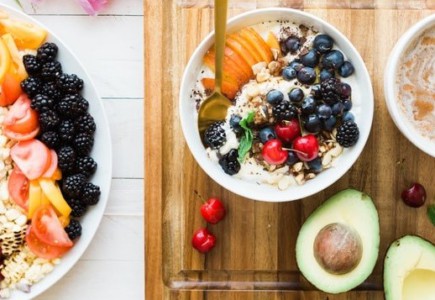
Food choices are one of the strongest tools for improving cholesterol naturally. A heart-smart diet focuses on limiting saturated fats, avoiding trans fats, and reducing highly processed, fried, and junk foods. Lean proteins such as fish, skinless poultry, beans, lentils, and other legumes are better choices than fatty meats or organ meats. Fiber-rich foods like fruits, vegetables, oats, barley, beans, and whole grains help reduce LDL cholesterol by supporting cholesterol removal through digestion. Choosing baked, grilled, steamed, or roasted meals instead of fried foods can also make a meaningful difference over time.
Lifestyle Choices That Strengthen Your Heart
Cholesterol management works best when healthy eating is combined with an overall heart-protective lifestyle. Regular physical activity can help lower LDL, raise HDL, manage weight, reduce blood pressure, and improve circulation. Maintaining a healthy body weight also supports better cholesterol and triglyceride levels. Avoiding smoking is one of the most important steps for protecting arteries, while limiting alcohol can help prevent triglycerides from rising. Routine health checkups and cholesterol screenings allow you to track your progress and make adjustments before problems become serious.
Small Steps for Lifelong Cholesterol Control
Improving cholesterol does not require extreme dieting or sudden, unrealistic changes. Small, steady choices—such as adding more vegetables to meals, walking daily, choosing whole grains, cutting back on fried foods, and replacing sugary snacks with fruit or nuts—can build lasting heart health. Consistency matters more than perfection. When healthy habits become part of everyday life, cholesterol levels are easier to manage, arteries stay healthier, and the risk of heart disease can be reduced over the long term.
Cholesterol is not the enemy of heart health—imbalance is. Your body needs cholesterol, but it needs the right balance between LDL, HDL, and triglycerides to keep arteries strong and blood flowing freely. By understanding how cholesterol works and making practical daily choices around food, movement, smoking, alcohol, stress, and routine testing, you can take meaningful control of your cardiovascular health. A healthier heart is built through small decisions repeated consistently, and those choices can support a longer, stronger, and more energetic life.