

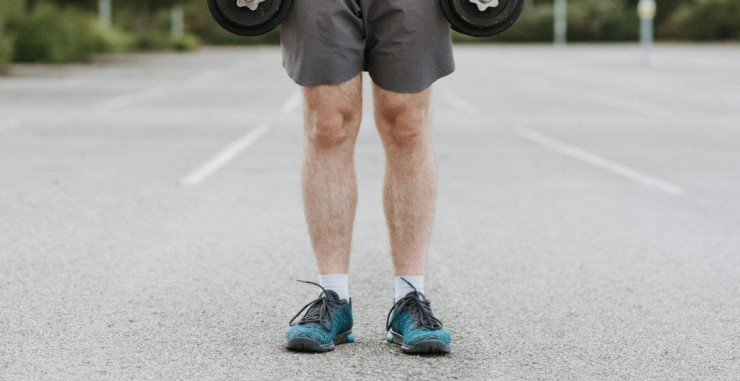
Strong legs save lives. That may sound dramatic, but it is true in a very practical sense. Aging itself does not automatically take away independence; weak legs often do. The loss of leg strength can happen quietly after 40, raising the risk of falls, fractures, metabolic disease, and loss of freedom long before many people realize what is happening.
Strong Legs Are the Foundation of Independence
Your legs are what allow you to stand up from a chair, climb stairs, carry groceries, walk across a parking lot, and get up from the floor if you fall. When leg strength declines, daily life becomes smaller and more difficult. Tasks that once felt automatic start to require planning, assistance, or avoidance. This is why leg strength is not just a fitness goal; it is a foundation for independence, confidence, and the ability to keep participating in normal life as you age.
Why Weak Legs Raise Fall and Fracture Risk
Weak legs make balance, coordination, and quick reactions harder. If you trip, slip, or misstep, strong leg muscles help you catch yourself before you hit the ground. Without that strength, falls become more likely, and so do fractures. Warning signs include stairs feeling unusually hard, long walks becoming exhausting, or struggling to rise from the floor. These are not simply “normal aging.” They are signals that your lower-body strength needs attention.
The Hidden Mortality Risk After Hip Fractures
One of the most serious consequences of weak legs is a hip fracture. In older adults, hip fractures are associated with roughly 20–30% one-year mortality, a statistic many people never hear until it affects their family. The danger is not only the fracture itself, but also the immobility, complications, and decline that can follow. Strong legs help reduce the chance of falling in the first place, and if injury does happen, better muscle strength can improve recovery and resilience.
Your Legs Are Your Biggest Metabolic Engine
Your legs are not “just muscles.” They contain a large share of your total muscle mass, making them one of the body’s biggest metabolic engines. Muscle tissue uses energy, stores glucose, supports circulation, and influences hormones and inflammation. When leg muscle declines, the body loses an important system for managing fuel. This is why maintaining strong legs matters far beyond movement; it affects the way your entire body functions.
How Leg Muscle Helps Control Blood Sugar
After meals, much of your blood sugar is cleared by skeletal muscle, especially the large muscles of the legs. Stronger leg muscles act like a larger storage tank for glucose, helping the body move sugar out of the bloodstream more efficiently. Weaker legs can contribute to poorer glucose control, higher insulin levels, and greater storage of visceral and liver fat. Over time, this can increase the risk of insulin resistance, prediabetes, and type 2 diabetes.
Stronger Legs Support Liver and Heart Health
Building leg strength can help improve several key markers of metabolic health, including fatty liver, triglycerides, insulin resistance, and inflammation. Strong muscles help the body process nutrients more effectively and reduce the strain caused by chronically elevated blood sugar and insulin. This is why muscle should not be viewed as cosmetic. It is metabolic medicine, and the legs are one of the most powerful places to build it.
The Brain Benefits When Your Legs Stay Active
Strong legs also support the brain. Research has linked better leg strength and regular physical activity with improved memory, slower cognitive decline, and lower dementia risk. Movement increases blood flow, supports healthy metabolism, and stimulates signals between muscles and the brain. When your legs stay active, your brain benefits too. Walking, climbing stairs, squatting, and other lower-body movements are not only training your body; they are helping protect your mind.
Simple Daily Habits That Rebuild Leg Strength
Leg strength can be rebuilt with simple, consistent habits. Squats, lunges, step-ups, sit-to-stands, resistance bands, uphill walking, and taking the stairs all help strengthen the lower body. You do not need a complicated program to start; bodyweight exercises and daily movement can make a real difference. Pair regular strength work with adequate protein, good nutrition, sleep, and recovery, and your legs will gradually become stronger, more stable, and more capable.
Strong legs are not about vanity. They are about survival, independence, and quality of life. They help prevent falls, support blood sugar control, protect the liver and heart, and keep the brain healthier as you age. If stairs are getting harder or walks feel more tiring than they used to, take it seriously. Start small, move daily, and build strength before weakness starts making decisions for you.