
Mindfulness is the simple practice of paying attention to the present moment with openness, curiosity, and less judgment. It does not require special equipment, a perfect routine, or hours of silence. At its heart, mindfulness is about noticing what is happening right now—your breath, thoughts, feelings, body sensations, and surroundings—without immediately reacting or trying to change everything. In a busy world full of distractions, mindfulness offers a practical way to feel more grounded, calm, and connected to daily life.
What Mindfulness Really Means in Everyday Life
Mindfulness in everyday life means being fully present for what you are doing, whether you are drinking a cup of tea, walking to work, listening to a friend, or washing the dishes. Instead of letting your mind run constantly into the past or future, mindfulness invites you to return to the moment you are actually living. This does not mean you stop thinking or never feel difficult emotions. Rather, it means you become more aware of your thoughts and feelings without being completely controlled by them. For example, you might notice, “I am feeling tense,” instead of instantly snapping at someone or getting lost in worry.
The Key Benefits of Mindfulness for Wellbeing
Mindfulness can support wellbeing in many meaningful ways. Regular practice may improve emotional balance, focus, patience, and self-awareness. It can help you recognize unhelpful thought patterns before they take over, making it easier to respond calmly rather than react automatically. Many people also find that mindfulness helps them appreciate small moments more, such as the warmth of sunlight, the taste of food, or the comfort of a quiet breath. Over time, this can create a greater sense of inner steadiness and satisfaction, even when life is not perfect.
How Mindfulness Helps Calm Stress and Anxiety
Stress and anxiety often grow when the mind becomes stuck in “what if” thoughts or worries about things outside our control. Mindfulness helps by bringing attention back to something steady and immediate, such as the breath or the feeling of your feet on the ground. This can signal to the body that it is safe to soften and slow down. Mindfulness also creates a little space between a stressful thought and your response to it. Instead of believing every anxious thought as a fact, you can notice it as a passing mental event, which may reduce its power and help you feel more in control.
Simple Mindfulness Practices You Can Try Today
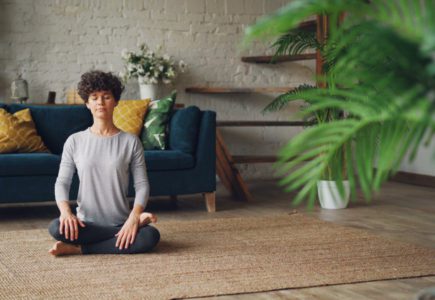
One simple practice is mindful breathing: sit comfortably, breathe naturally, and gently notice each inhale and exhale for a few minutes. When your mind wanders, calmly bring it back to the breath. Another easy practice is mindful eating, where you slow down and notice the taste, texture, smell, and temperature of your food. You can also try a body scan by moving your attention slowly from your head to your toes, noticing areas of tension or comfort. Even everyday activities can become mindful if you give them your full attention, such as walking, showering, stretching, or listening carefully during a conversation.
Building a Mindful Habit That Lasts Over Time
The best way to build a lasting mindfulness habit is to start small and keep it realistic. A few minutes each day is often more helpful than trying to force a long session once in a while. You might link mindfulness to something you already do, such as taking three mindful breaths before checking your phone, pausing before meals, or noticing your surroundings during a daily walk. It is normal for the mind to wander, so the goal is not perfection but gentle return. With patience and consistency, mindfulness can become less like a task and more like a natural way of meeting life.
Mindfulness is a practical, accessible way to bring more awareness and calm into everyday life. By learning to notice the present moment without harsh judgment, you can better understand your thoughts, manage stress, and respond to challenges with greater clarity. Whether through breathing, mindful movement, or simply paying closer attention to ordinary moments, mindfulness can be practiced by anyone. The more often you return to the present, the more you strengthen a habit of steadiness, kindness, and inner balance.