

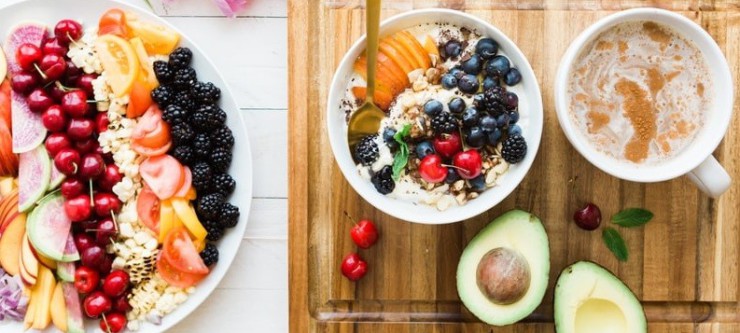
According to the World Health Organization (WHO), a healthy diet protects against malnutrition in all its forms and significantly reduces the risk of non‑communicable diseases (NCDs) such as diabetes, heart disease, stroke, and cancer.
However, modern dietary habits have shifted drastically. Increased consumption of processed foods has led to diets high in calories, unhealthy fats, sugars, and salt, while intake of fruits, vegetables, and dietary fiber has declined. What we eat daily now plays a decisive role in how we feel, function, and age.
Below are simple and practical guidelines on what to eat and what to limit for better health.
🌾 1. Grains: Choose Whole Over Refined
Grains are a major energy source, but the type of grain matters greatly.
Key Points:
- Choose whole‑grain, high‑fiber breads and cereals.
- Make whole grains the majority of your grain intake.
- Reduce or eliminate refined and processed carbohydrates.
🍗 2. Proteins: Quality and Variety Matter
Proteins support growth, repair, immunity, and metabolic health. Opt for lean and diverse sources.
Key Points:
- Choose low‑fat protein sources such as eggs, beans, poultry without skin, fish, seafood, soy products, nuts, and seeds.
- Prefer white meat over red meat.
- Minimize red‑meat consumption as much as possible.
🥑 3. Fats: Choose the Right Kind
Not all fats are harmful. The focus should be on choosing healthy fats and reducing harmful ones.
Key Points:
- Use vegetable oils such as olive or canola oil instead of solid fats.
- Include nuts and seeds as natural sources of healthy fats.
- Minimize saturated fats like butter and fatty meats, and completely eliminate trans fats commonly found in packaged snacks, baked goods, and fried fast foods.
- Stay away from ultra‑processed junk foods such as chips, pastries, instant foods, and sugary snacks that are high in refined flour, unhealthy fats, sugar, and salt.
🥦 4. Fruits and Vegetables: Eat the Rainbow
Fruits and vegetables provide essential vitamins, minerals, antioxidants, and fiber.
Key Points:
- Eat a wide variety of vegetables, especially dark green, red, and orange ones.
- Include fruits and vegetables of different colors and seasonal varieties.
- Avoid fruits or vegetables you are allergic to or have been advised against by a doctor.
🥛 5. Dairy: Choose Light and Listen to Your Body
Dairy can be a good source of calcium and protein—for those who tolerate it.
Key Points:
- Choose fat‑free or low‑fat milk and dairy products.
- Avoid dairy if you are lactose intolerant or medically advised to do so.
🧂 6. Salt and Sugar: Less Is Better
Excess salt and sugar contribute to hypertension, diabetes, and heart disease.
Key Points:
- Reduce daily sodium intake.
- Limit sodium to less than 1,500 mg per day if you are over 50, or have hypertension, diabetes, or chronic kidney disease.
- Be mindful of hidden salt and sugar in processed foods.
🥤 7. Beverages: Drink With Awareness
What you drink is just as important as what you eat.
Key Points:
- Restrict or eliminate sugary drinks and sodas that offer calories with little or no nutrition.
- If you consume alcohol, do so in moderation.
- Never drink if it puts you or others at risk.
🍃 Final Thought
Healthy eating is not about restriction—it is about informed choices. By prioritizing whole foods, balanced nutrients, and mindful consumption, you protect your body from disease and set the foundation for long‑term health, energy, and quality of life.